Asphalt Repair vs. Asphalt Replacement: What Property Owners Should Know
Property owners seeking asphalt repair or replacement can rely on local contractors to assess, recommend, and perform the best solution for maintaining durable, safe pavement.
Property owners exploring asphalt repair versus asphalt replacement often seek practical insights to make informed decisions about their pavement needs. Whether dealing with minor cracks, surface wear, or more extensive damage, understanding the differences can help determine the most effective and cost-efficient solution. This page is designed to guide property owners through the key considerations involved, highlighting how experienced local contractors can assist in evaluating the condition of asphalt and recommending appropriate repair or replacement options.
For those in the area managing parking lots, driveways, or other paved surfaces, recognizing when repairs are sufficient versus when a full replacement might be necessary can save time and resources. Local service providers offer a range of asphalt repair solutions tailored to specific issues, helping property owners maintain safe, functional, and attractive surfaces. Keep reading to learn more about the factors that influence this decision and how trusted local contractors can support property owners in choosing the best approach for their asphalt needs.
- Cracked or worn asphalt - property owners noticing surface deterioration may need asphalt repair, which local contractors approach by patching or sealing to extend pavement life.
- Potholes or surface deformities - when potholes develop, local service providers often perform targeted repairs to restore safety and functionality without full replacement.
- Surface fading or discoloration - asphalt that has lost its appearance may be treated with resurfacing techniques by local pros to improve curb appeal without replacing the entire pavement.
- Small-scale damage or surface cracks - minor cracks and surface issues can typically be addressed through sealing or crack filling by local asphalt repair specialists.
- Extensive damage or deep structural issues - in cases where damage affects the pavement’s foundation, local contractors may recommend asphalt replacement to ensure long-term stability.
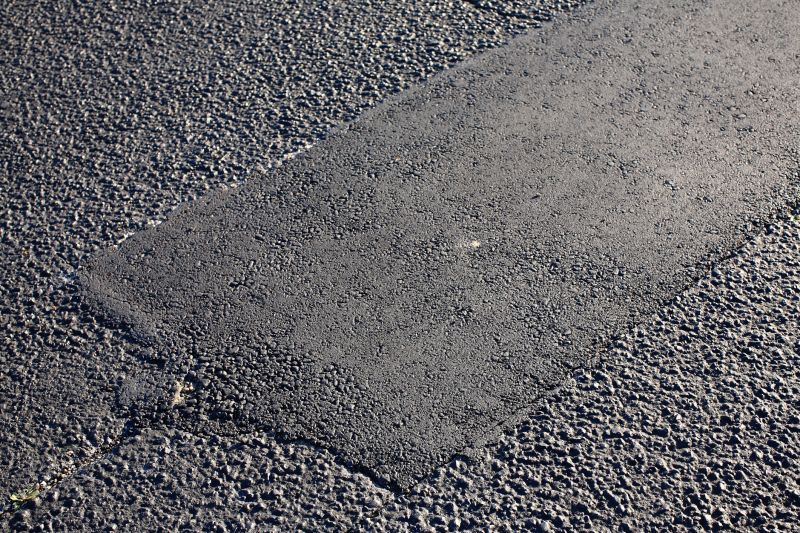
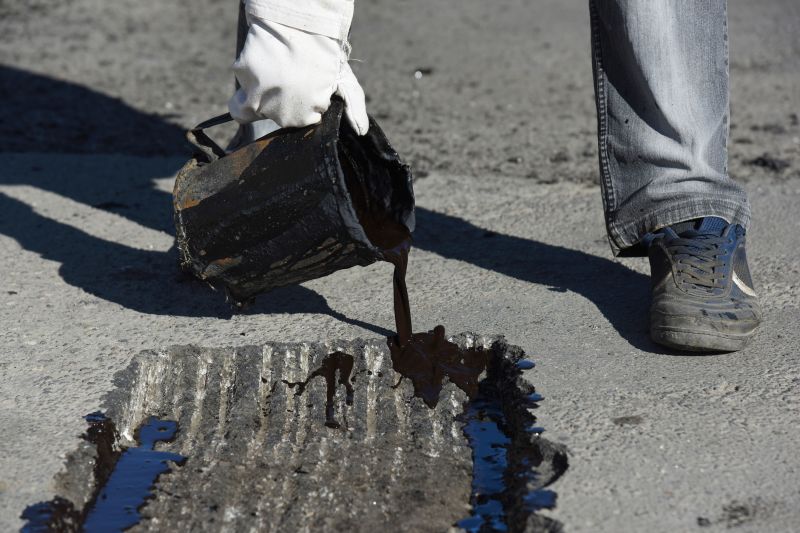
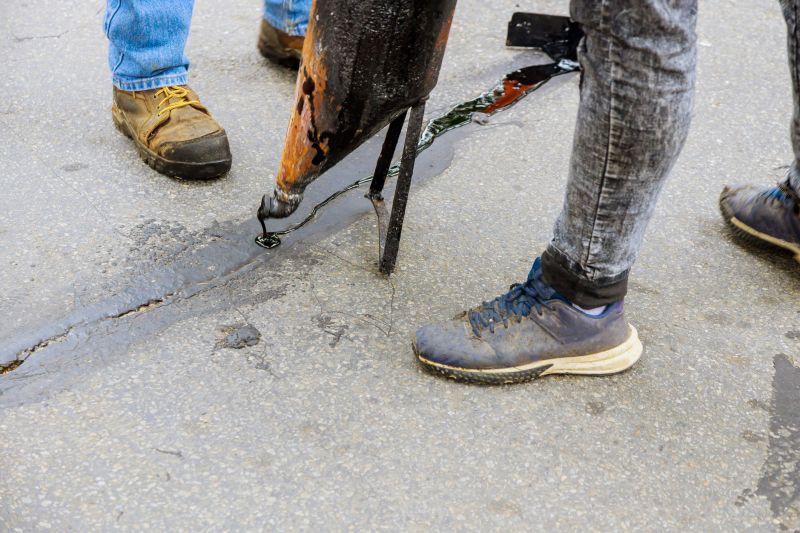
When property owners search for asphalt repair vs. asphalt replacement: what property owners should know, they are often trying to understand the best way to address issues with their paved surfaces. Typically, this topic comes up when there are visible signs of damage such as cracks, potholes, or surface deterioration that could affect safety, appearance, or functionality. Homeowners and commercial property managers alike want to determine whether a simple repair will suffice or if a full replacement is necessary to restore the surface’s integrity and longevity. This decision can influence the overall cost, project scope, and timeline, making it important to understand the differences and what each option entails.
Many property-related projects involve asphalt surfaces like driveways, parking lots, walkways, or even private roads. Common problems prompting consideration of asphalt repair or replacement include surface cracking, potholes, oil spills, or areas where the asphalt has become loose or uneven. These issues not only impact curb appeal but can also pose safety hazards or lead to further deterioration if left unaddressed. Property owners often seek guidance on whether repairs such as crack sealing, patching, or sealcoating will be enough to extend the life of their asphalt, or if a complete removal and replacement is the better long-term solution.
The types of properties that frequently encounter asphalt concerns include residential homes with driveways, small business parking lots, retail centers, apartment complexes, and even industrial facilities. Each property type presents different usage levels and maintenance needs, which influence the decision between repair and replacement. For example, a heavily used commercial parking lot with extensive cracking and surface failure may require a more comprehensive approach than a single-crack repair on a residential driveway. Local service providers are experienced in assessing these factors and recommending the most appropriate solution based on the property’s specific conditions and future plans.
Understanding the distinction between asphalt repair and asphalt replacement is essential for property owners planning maintenance or upgrades. Repair services typically involve fixing localized damage-such as sealing cracks, filling potholes, or patching small areas-to restore surface smoothness and prevent further issues. Replacement, on the other hand, involves removing the existing asphalt and installing a new layer, which may be necessary when the damage is widespread or the surface has significantly deteriorated. Local asphalt contractors can evaluate the condition of the pavement, consider the property’s usage, and help determine whether repairs will extend the surface’s life or if replacement is the more practical choice for a durable, long-lasting result.
Paving maintenance projects - tasks like crack sealing and surface patching require similar skills and tools as asphalt repair, making them relevant for property owners considering repair options.
Driveway sealing services - these projects involve surface preparation and application techniques that align with asphalt repair processes, helping extend pavement lifespan.
Parking lot resurfacing - involves planning and surface work comparable to asphalt replacement, which local contractors can help evaluate for property needs.
Concrete repair services - although different material, they share planning and surface preparation skills with asphalt repair, useful for mixed-surface properties.
Pothole repair projects - require quick assessment and targeted patching, similar to asphalt repair, which local service providers are equipped to handle.
Surface leveling and grading - these foundational tasks are essential for proper asphalt repair and replacement, ensuring a stable base for pavement work.
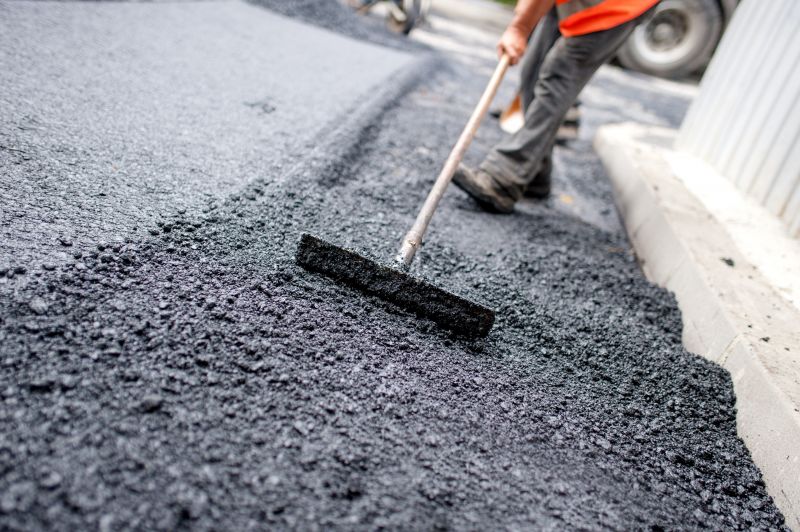
When comparing asphalt repair services, property owners should prioritize the experience of local contractors with similar projects. An experienced service provider will have a clear understanding of the specific conditions that can affect repair techniques and outcomes. It’s beneficial to inquire about the types of asphalt repairs they have performed in the past, such as crack filling, patching, or surface sealing, to gauge their familiarity with the work. Reputable local contractors often have a track record of completing projects similar in scope and complexity, which can provide added confidence in their ability to handle asphalt repair effectively.
Clear and detailed written expectations are essential when evaluating asphalt repair services. Property owners should seek out providers who can offer comprehensive descriptions of the repair process, materials used, and the scope of work involved. This transparency helps ensure that both parties are aligned on what the project entails and can prevent misunderstandings. Reputable service providers typically communicate their plans openly, providing written estimates or proposals that outline the work, so property owners can make informed decisions about whether asphalt repair is suitable or if a full replacement might be necessary.
Reputable local contractors can also be identified through references and reviews from previous clients. It is advisable to ask for references or testimonials that highlight their experience with asphalt repair projects, especially those similar in size or type. Good communication is another key factor; service providers who are responsive, willing to answer questions, and provide updates throughout the process tend to foster a smoother experience. Ultimately, property owners should look for local pros who demonstrate professionalism, transparency, and a history of satisfied clients, as these qualities are indicative of a reliable partner for asphalt repair services.
Property owners often search for asphalt repair vs. asphalt replacement: what property owners should know when they are planning practical projects around their homes and businesses. Local pros provide Asphalt Repair services for everyday jobs and straightforward project options.
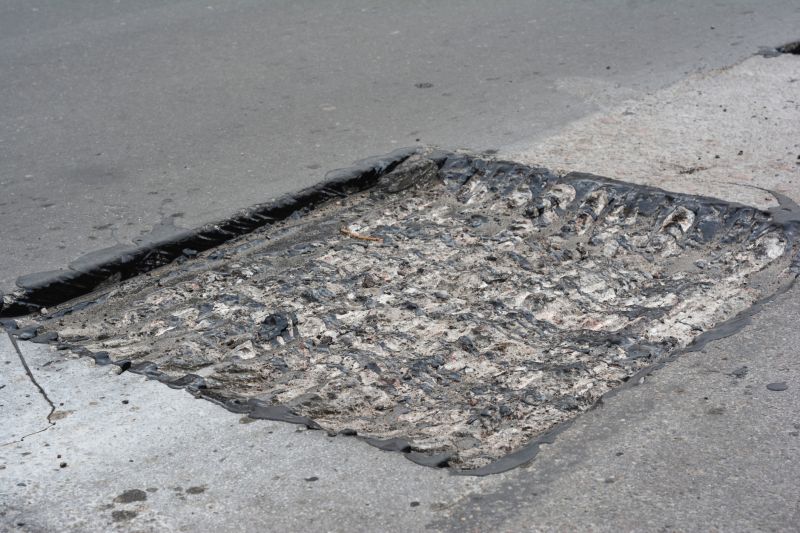
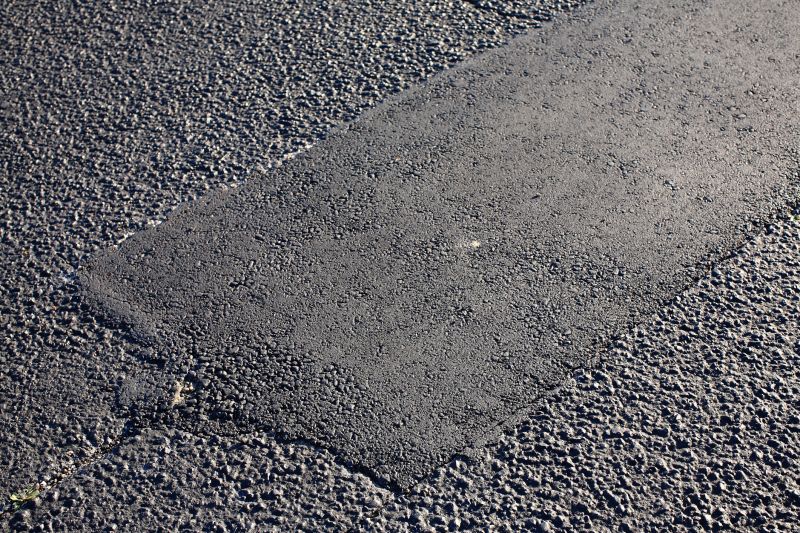
Property owners often find themselves weighing options between asphalt repair and asphalt replacement when dealing with driveway cracks, potholes, or surface deterioration. In many everyday situations, minor damages like small cracks or surface wear can typically be addressed through asphalt repair services offered by local contractors. These repairs can help extend the lifespan of the existing pavement, making them a practical choice for those looking to maintain their property’s appearance and functionality without the need for a full replacement.
On the other hand, when damage is extensive or the asphalt surface has become severely compromised, asphalt replacement might be necessary. Local service providers can evaluate the condition of the pavement to recommend whether a repair will suffice or if a full replacement is the better long-term solution. Understanding the differences between asphalt repair and replacement can help property owners make informed decisions that suit their specific project needs, ensuring the durability and safety of their surfaces.
What is the main difference between asphalt repair and asphalt replacement? Asphalt repair involves fixing specific areas of damage, such as cracks or potholes, while asphalt replacement replaces entire sections of the pavement. Local contractors can evaluate which option best restores the surface's integrity based on the condition of the asphalt.
When should property owners consider asphalt repair instead of replacement? Repair is suitable for minor damage or early signs of deterioration, helping to extend the lifespan of the existing surface. Service providers can assess the extent of damage to recommend the most effective solution.
Can asphalt repair be a long-term solution? Properly performed asphalt repair can significantly prolong the life of a driveway or parking lot, especially when damage is localized. Experienced contractors use appropriate techniques to ensure repairs hold up over time.
What factors influence the decision between repairing and replacing asphalt? Factors include the severity and extent of damage, the age of the asphalt, and the overall condition of the surface. Local service providers can help determine whether repair or replacement is more practical for the situation.
How do local contractors ensure quality asphalt repair services? They use suitable materials and techniques tailored to the specific damage, ensuring repairs are durable and blend seamlessly with existing pavement. Consulting with experienced professionals can help achieve the best results for property preservation.
Assessing damage - property owners can evaluate the extent of asphalt issues to determine whether repair or replacement is more suitable, with local contractors providing expert advice on the best approach.
Choosing repair options - for minor cracks and surface wear, property owners might opt for asphalt repair services from local pros to extend pavement life and improve appearance.
Planning for replacement - when asphalt shows widespread deterioration, property owners can consider full replacement, with local service providers handling the project efficiently.
Long-term maintenance - understanding the benefits of timely repairs can help property owners maintain asphalt surfaces, with local pros offering ongoing maintenance solutions.
If you are thinking about asphalt repair vs. asphalt replacement: what property owners should know for a property, this guide is meant to help you understand this topic, the typical project types, and how different options might fit your plans.
When you are ready, you can use the quote form on this page to share a few details about your project. From there, local pros can review the basics and follow up with options that match what you have in mind.