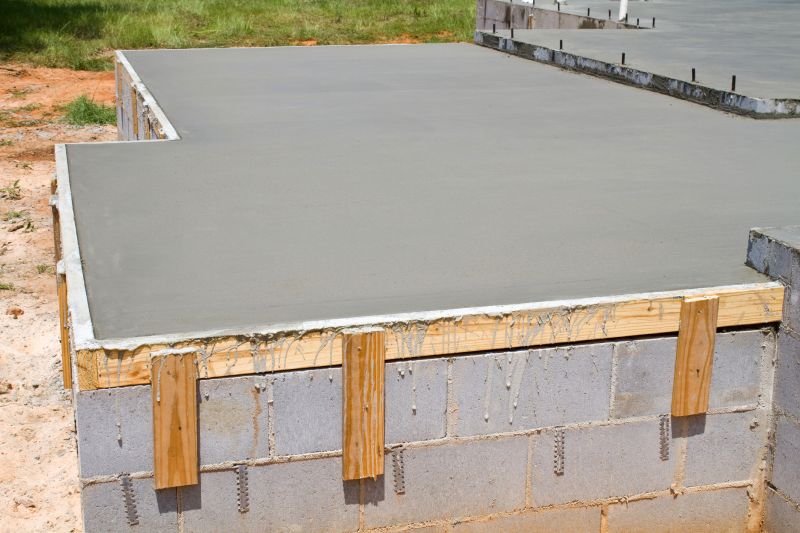
Basement Slab Installation in Charleston, SC
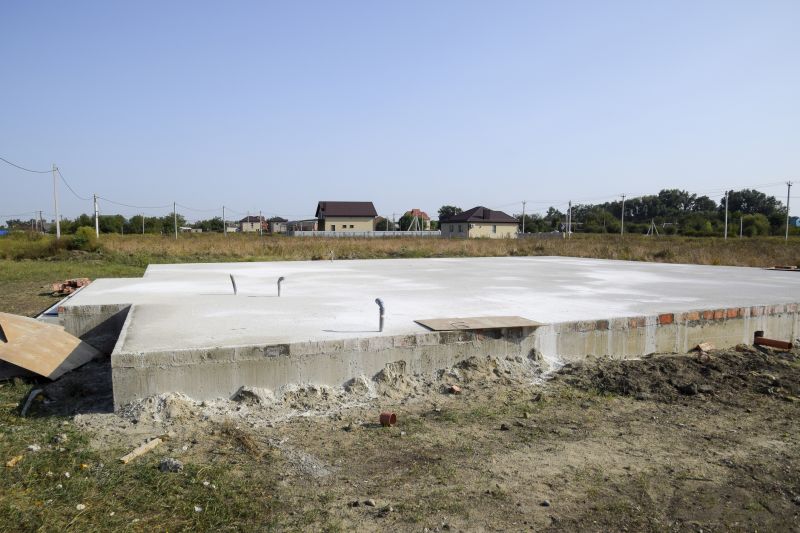
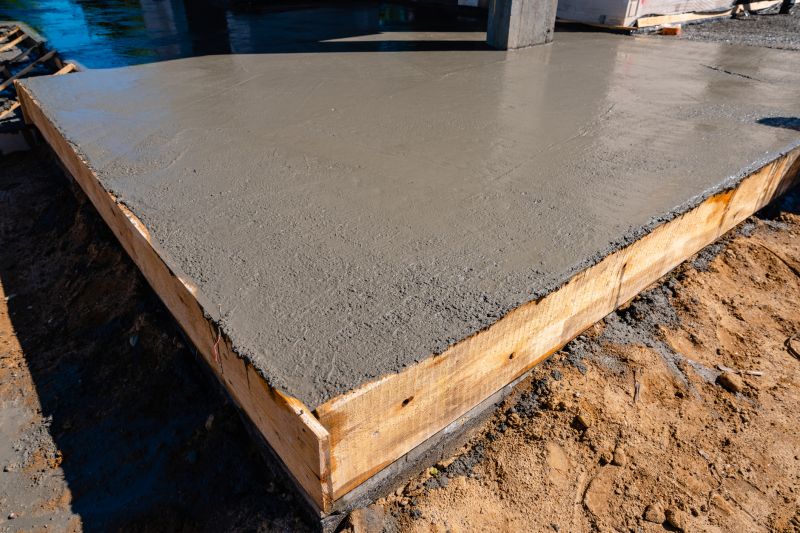
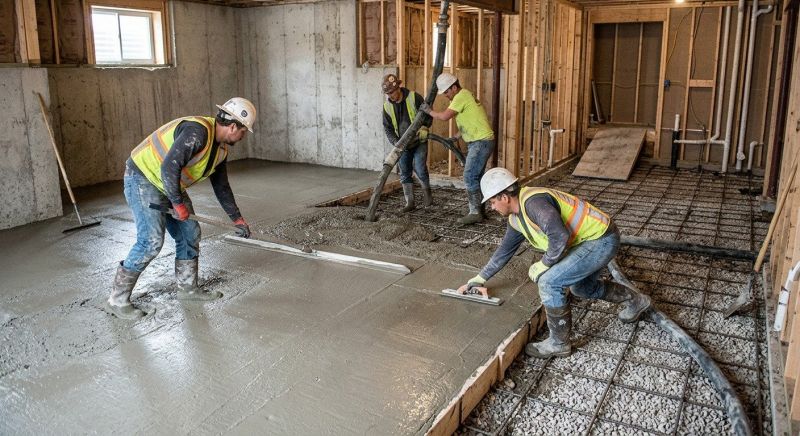
Basement slab installation involves creating a solid, level foundation for the lower level of a property. This service typically covers projects such as new construction, basement finishing, or foundation repair, ensuring the concrete slab provides a stable base for walls, flooring, and other structural elements. Property owners often want to understand the materials used, the preparation process, and how the slab will support the overall stability of the basement and the home above.
Before requesting basement slab installation, homeowners should consider factors like soil conditions, moisture levels, and drainage requirements to ensure a durable and long-lasting foundation. It's also helpful to inquire about the scope of work, including excavation, reinforcement, and curing processes, to fully understand what the project entails. Clear communication about these details can help ensure the foundation meets the specific needs of the property and its intended use.
Many property owners in Charleston, SC look into Basement Slab Installation for repairs, replacements, upgrades, and appearance-related improvements.
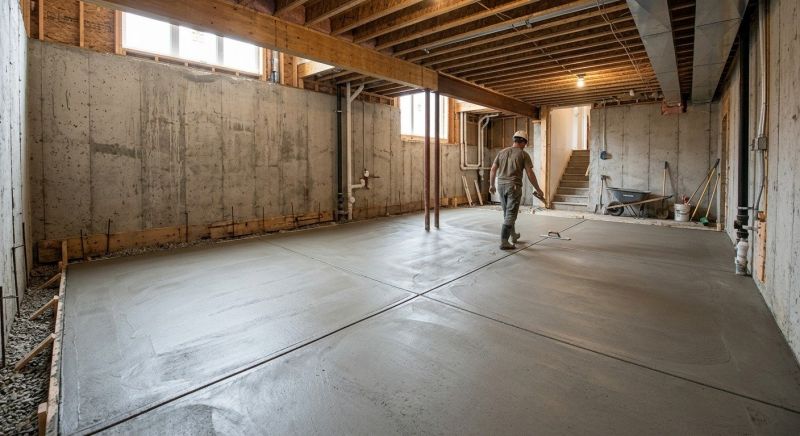
Benefits Of A Solid Basement Slab
A well-installed slab provides a stable foundation for your basement and helps prevent moisture issues.
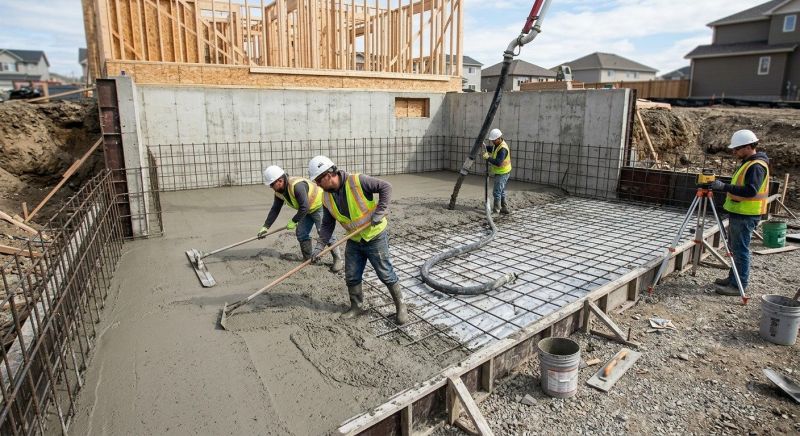
Common Basement Slab Projects
Homeowners in charleston often request basement slabs for new construction, renovations, or moisture control upgrades.
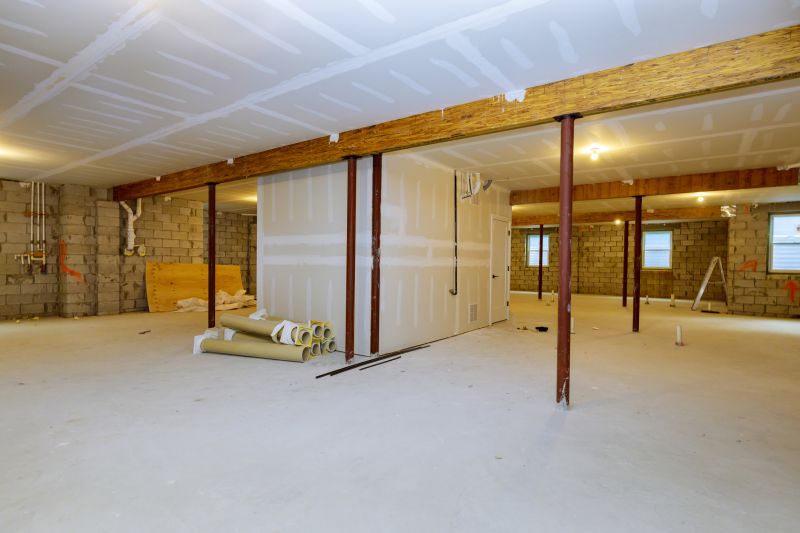
Factors In Basement Slab Installation
Proper site preparation, soil assessment, and quality materials are essential for a durable basement slab.
Basement Slab Installation in Charleston, SC

Basement slab installation involves creating a solid, level foundation for the lower level of a property. This service typically covers projects such as new construction, basement finishing, or foundation repair, ensuring the concrete slab provides a stable base for walls, flooring, and other structural elements. Property owners often want to understand the materials used, the preparation process, and how the slab will support the overall stability of the basement and the home above.
Before requesting basement slab installation, homeowners should consider factors like soil conditions, moisture levels, and drainage requirements to ensure a durable and long-lasting foundation. It's also helpful to inquire about the scope of work, including excavation, reinforcement, and curing processes, to fully understand what the project entails. Clear communication about these details can help ensure the foundation meets the specific needs of the property and its intended use.
Many property owners in Charleston, SC look into Basement Slab Installation for repairs, replacements, upgrades, and appearance-related improvements.
Common Basement Slab Installation Jobs
Basement Slab Installation - provides a stable foundation for basement floors and structural support.
New Construction Projects - ensures a solid base for residential or commercial basement builds.
Home Renovations - prepares existing basements for finishing or remodeling work.
Crack Repair and Reinforcement - addresses existing issues to prevent future foundation problems.
Waterproofing and Drainage Solutions - helps protect the basement slab from moisture and water damage.
Soil Preparation and Leveling - creates an even, secure surface for the new slab installation.
Basement Slab Installation Questions
What is a basement slab installation? It involves pouring a concrete foundation to create a stable, level floor for a basement space.
Why is proper preparation important? Proper site preparation ensures the slab is level, stable, and resistant to moisture issues.
What materials are used for basement slabs? Typically, reinforced concrete is used, often with moisture barriers and insulation depending on the project.
What types of basement projects require a slab? Foundations for additional rooms, recreational areas, or finishing a basement often involve slab installation.
Request Basement Slab Installation in Charleston, SC
Use the quote form on this page to share the basics of your project and request more information for the type of work you need.